

Yo, what's up, folks! I'm a supplier of indoor smart locks, and today I wanna chat about one of the most important aspects of these nifty devices: battery life. You know, when you're looking into getting an indoor smart lock, battery life is a big deal. No one wants a lock that conks out on them all the time, leaving them locked out or in a bind.
Let's first understand why battery life matters so much for indoor smart locks. Unlike traditional locks that don't rely on power sources, smart locks need energy to function. They've got all these fancy features like electronic keypads, fingerprint scanners, Bluetooth connectivity, and sometimes even Wi - Fi. All these components need power to work smoothly.
Now, the battery life of indoor smart locks can vary widely depending on a bunch of factors. One of the major factors is the type of battery used. Most indoor smart locks these days use standard alkaline batteries, like AA or AAA. These are easy to find and replace, which is a huge plus. But their lifespan can depend on how often the lock is used.
For example, if you have a family of five constantly coming in and out of the house, the lock is going to be used more frequently. Each time someone unlocks or locks the door, it uses a bit of battery power. In a high - traffic household like this, the batteries in an indoor smart lock might last anywhere from 6 to 12 months. On the flip side, if it's just you living alone and you're out at work most of the day, the lock will be used less, and the batteries could potentially last up to 18 months.
Another factor that affects battery life is the features of the smart lock itself. Let's take a look at some of our popular models. First up, the Electronic Digital Bluetooth Fingerprint Smart Door Lock. This bad boy has a digital keypad, Bluetooth connectivity, and a fingerprint scanner. The fingerprint scanner, in particular, can be a bit of a power hog. Every time someone tries to unlock the door using their fingerprint, the scanner has to analyze the print, which takes energy. So, with all these features combined, in a moderately - used household, you can expect the batteries to last around 8 to 10 months.
Then there's the Modern Design Fingerprint Smart Door Lock. This lock has a sleek and modern look, but it also comes with some advanced security features. It can use a combination of fingerprint and keypad unlocking, and it can even send alerts to your phone if there are any suspicious activities. These extra features add to the power consumption. In a typical home environment, the battery life of this lock might be in the range of 7 to 9 months.
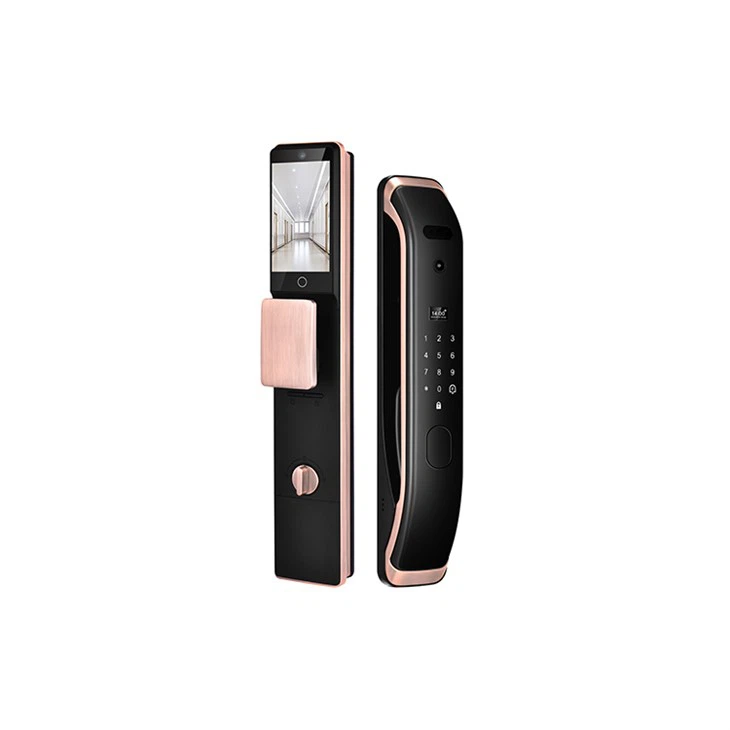
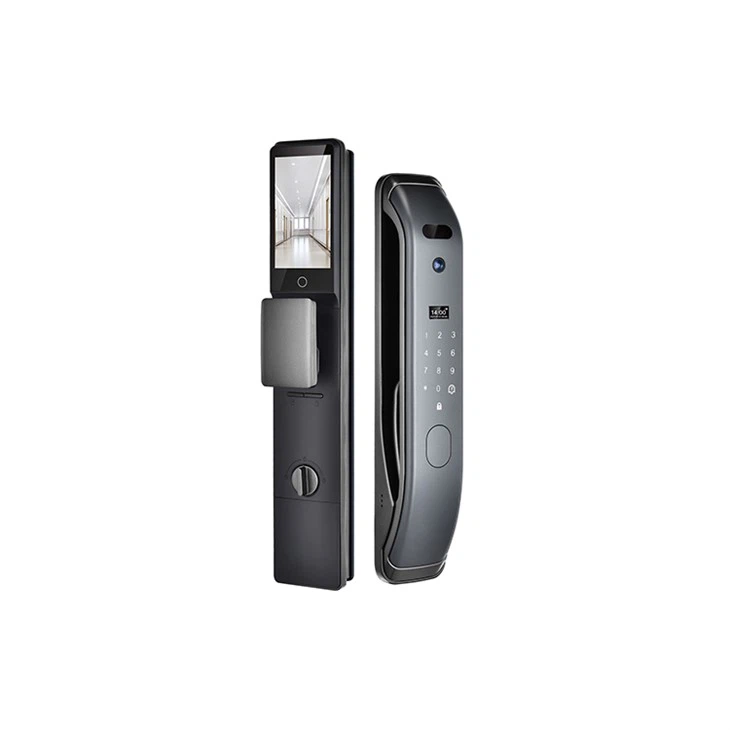
Our Zinc Alloy Fingerprint Smart Door Lock is another great option. The zinc alloy construction makes it durable, but the lock also has a high - precision fingerprint scanner. The scanner needs to be accurate, so it uses more power to ensure that only the right fingerprints can unlock the door. In a busy household, the battery life of this lock could be around 6 to 8 months.
Some smart locks also have power - saving modes. These modes can reduce the power consumption when the lock isn't being used frequently. For example, the lock might go into a low - power state after a certain period of inactivity, and then wake up when it senses someone approaching. This can significantly extend the battery life.
But how do you know when it's time to change the batteries? Most indoor smart locks have built - in indicators. They might show a low - battery warning on the keypad or send a notification to your phone if you've connected the lock to your mobile device. It's a good idea to keep an eye on these indicators and have some spare batteries on hand.
If you're worried about the battery running out at an inconvenient time, there are some backup options. Some locks come with a USB port that you can use to power the lock in an emergency. You can connect a power bank to the USB port, and that'll give you enough power to unlock the door.
Now, if you're in the market for an indoor smart lock, battery life is definitely something to consider. But don't just focus on that alone. You also want to look at the security features, ease of use, and of course, the price.
As a supplier, I understand that you might have a lot of questions about which smart lock is the best for you. Maybe you're a business owner looking to secure your office, or you're a homeowner who wants to upgrade your security. If you're interested in learning more about our indoor smart locks, their battery life, or any other features, I'd love to have a chat with you. We can discuss your specific needs and find the perfect lock for you. Whether it's for high - traffic areas or low - usage scenarios, we've got a solution. So, don't hesitate to reach out for a procurement discussion.
References
- General knowledge about smart lock technology and battery usage.