

Hey there! As a supplier of indoor smart locks, I often get asked if our indoor smart locks can be used on garage doors. It's a valid question, and in this blog post, I'll dive into the details to help you figure out if it's a good idea.
First off, let's talk about what makes an indoor smart lock different from a lock designed for a garage door. Indoor smart locks are typically made with the security and convenience of an indoor environment in mind. They're usually installed on interior doors, like bedroom or bathroom doors, and are designed to work well with the conditions inside a home. For example, they're protected from the elements, so they don't need to be as weather - resistant as a lock for an outdoor door.

On the other hand, garage doors are exposed to the outside world. They face all kinds of weather conditions, from scorching sun and heavy rain to freezing temperatures. A lock for a garage door needs to be able to withstand these harsh conditions without losing its functionality.
So, can you use an indoor smart lock on a garage door? Well, it depends.
Advantages of Using an Indoor Smart Lock on a Garage Door
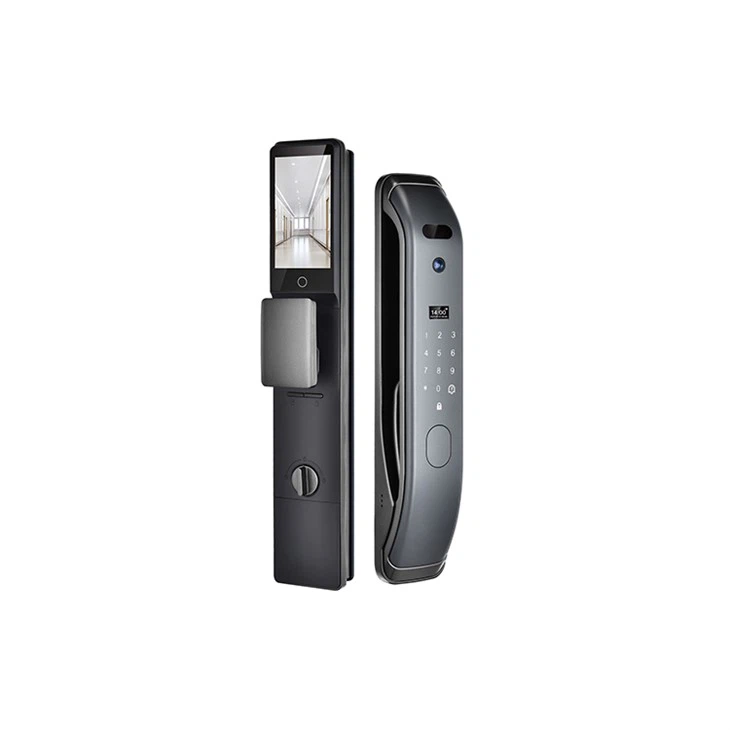
One of the biggest advantages of using an indoor smart lock on a garage door is the convenience. Our indoor smart locks come with features like fingerprint recognition, digital card access, and password entry. For instance, the High Security Fingerprint Smart Door Lock allows you to unlock your door with just a touch of your finger. This can be super handy when you're coming back from the grocery store with your hands full. You don't have to fumble around for keys; just place your finger on the sensor, and the door unlocks.
Another advantage is the integration with your home security system. Many of our indoor smart locks can be connected to your smartphone or other smart home devices. You can monitor who enters and exits your garage, set up alerts for unauthorized access, and even control the lock remotely. The Home Digital Card Password Fingerprint Smart Lock offers multiple access methods and can be easily integrated into your existing smart home ecosystem.
Disadvantages of Using an Indoor Smart Lock on a Garage Door
However, there are also some significant disadvantages. As I mentioned earlier, the weather is a major concern. Indoor smart locks are not built to handle extreme temperatures, moisture, or UV rays. Over time, exposure to these elements can damage the lock's components, leading to malfunctions. For example, if water gets into the lock's electronics, it can short - circuit the system, rendering the lock useless.
Garage doors also have different physical requirements compared to indoor doors. They are usually heavier and have a different type of locking mechanism. Indoor smart locks may not be strong enough to secure a garage door properly. A determined intruder could potentially break the lock more easily than a lock specifically designed for a garage door.
Compatibility Issues
When considering using an indoor smart lock on a garage door, you also need to think about compatibility. Garage doors come in different sizes, shapes, and materials. You need to make sure that the indoor smart lock you choose can be installed on your garage door. Some garage doors may require special brackets or adapters to fit the lock properly.
In addition, the power source can be a problem. Indoor smart locks are often powered by batteries or a wired connection inside the home. If you install an indoor smart lock on a garage door, you need to ensure that there is a reliable power source available. Running wires to the garage door can be a hassle, and relying on batteries means you'll have to replace them regularly.
Making an Informed Decision
If you still want to use an indoor smart lock on your garage door, here are some steps you can take to minimize the risks. First, choose a lock with a high - quality build. Look for locks that have some level of weather resistance, even if they're designed for indoor use. The Modern Design Fingerprint Smart Door Lock has a durable exterior that can withstand some light exposure to the elements.
Second, consider installing a protective cover for the lock. This can shield the lock from direct sunlight, rain, and snow. You can find covers online or at your local hardware store.
Finally, monitor the lock regularly. Check for any signs of damage or malfunction, and replace the batteries or components as needed.
In conclusion, while it is possible to use an indoor smart lock on a garage door, it's not without its challenges. You need to weigh the advantages of convenience and integration against the disadvantages of weather resistance and compatibility. If you're willing to take the necessary precautions, an indoor smart lock can be a viable option for your garage door.
If you're interested in purchasing an indoor smart lock for your garage door or have any questions about our products, feel free to reach out. We're here to help you make the best decision for your home security needs.
References
- General knowledge about smart locks and garage door security.
- Product specifications of the indoor smart locks mentioned in the post.